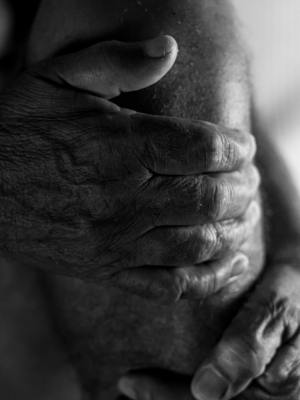
Arthritis is a common condition characterised by inflammation and stiffness in the joints, affecting millions of people worldwide. While modern medicine offers various treatments for managing arthritis symptoms, Traditional Chinese Medicine (TCM) offers a holistic approach that addresses the underlying imbalances in the body. In this webpage, we will explore the TCM perspective on arthritis and how it can be effectively managed through acupuncture, herbal medicine, dietary therapy, and lifestyle modifications.
Understanding Arthritis in TCM
In TCM, arthritis is typically classified as “Bi syndrome,” which refers to painful obstruction syndrome. According to TCM theory, arthritis is caused by the accumulation of pathogenic factors such as Wind, Cold, Dampness, and Heat, which block the flow of Qi (vital energy) and blood in the meridians and joints. This obstruction leads to pain, stiffness, swelling, and reduced mobility in the affected joints.
- TCM Treatment ApproachesAcupuncture: Acupuncture is a cornerstone of TCM treatment for arthritis. By inserting thin needles into specific acupuncture points along the meridians, acupuncture aims to stimulate Qi flow, disperse pathogenic factors, and promote circulation in the affected joints. Acupuncture can help alleviate pain, reduce inflammation, improve joint function, and restore balance to the body.
- Herbal Medicine: TCM herbal formulas are tailored to the individual’s specific pattern of arthritis, addressing underlying imbalances such as Dampness, Heat, or Blood stasis. Common herbs used for arthritis include du huo (Angelica pubescens), wei ling xian (Clematis root), and gui zhi (Cinnamon twig). These herbs are known for their anti-inflammatory, analgesic, and immune-modulating properties.
- Dietary Therapy: TCM emphasises the importance of diet in managing arthritis symptoms. Certain foods are believed to exacerbate inflammation and should be avoided, such as greasy, spicy, and processed foods. Instead, a diet rich in anti-inflammatory foods such as leafy greens, berries, fatty fish, and turmeric can help reduce pain and inflammation. Warm, cooked foods are also preferred over cold or raw foods to support digestion and circulation.
- Lifestyle Modifications: TCM encourages lifestyle modifications to support overall health and well-being. Gentle exercise such as Tai Chi or Qi Gong can help improve flexibility, strength, and Qi circulation while minimizing stress on the joints. Adequate rest, stress management techniques, and maintaining a healthy weight are also important for managing arthritis symptoms.
Heat therapy is a widely used and effective complementary treatment for arthritis, offering relief from pain, stiffness, and inflammation associated with the condition. In the clinic, we often use infra-red heat lamps or moxa to provide joints with heat.
Heat therapy can be applied through various methods, including:
- Moist Heat: This involves applying moist heat to the affected area using warm towels, moist heating pads, or warm baths. Moist heat penetrates more deeply into the tissues, providing greater relief.
- Dry Heat: Dry heat sources such as heating pads, heat wraps, or electric blankets can also be used to deliver therapeutic warmth to the joints and muscles.
- Warm Water Therapy: Immersing the body in warm water, such as in a bathtub or heated pool, can provide soothing relief for arthritis pain and stiffness. Water therapy exercises can also improve joint flexibility and range of motion.
Benefits of Heat Therapy for Arthritis:
- Pain Relief: Heat therapy helps to increase blood flow to the affected joints, delivering nutrients and oxygen while flushing out toxins and inflammatory mediators. This increased circulation can reduce pain signals sent to the brain, providing temporary pain relief.
- Muscle Relaxation: Heat therapy helps to relax tense muscles and improve flexibility, making it easier to move joints affected by arthritis. Relaxed muscles can also help reduce pressure on the joints and alleviate stiffness.
- Improved Joint Mobility: By increasing blood flow and reducing stiffness, heat therapy can improve joint mobility and range of motion in arthritic joints. This can enhance function and make everyday activities easier to perform.
- Reduced Inflammation: Heat therapy can help to reduce inflammation in arthritic joints by promoting the release of anti-inflammatory substances and easing muscle tension. However, it’s essential to use caution with heat therapy if the joint is acutely inflamed, as heat may exacerbate inflammation in some cases.
If you’re struggling with arthritis, consider consulting with a qualified TCM practitioner to explore personalised treatment options tailored to your individual needs.
 Acupuncture Massage & Herbal Medicine