
At our Preston clinic, we employ the use of acupuncture and dry needling techniques for pain management. In this webpage, we aim to provide clarity on the differences between acupuncture and dry needling, two therapeutic techniques involving the use of thin needles for pain relief and wellness.
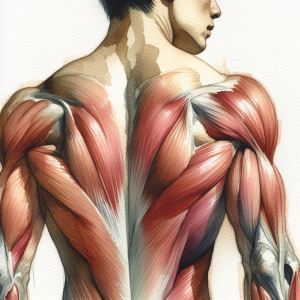
In Victoria, Australia, the hours of education required for dry needling and acupuncture differ significantly due to the distinct nature of these practices and the regulatory standards set by their respective governing bodies.
The practice of dry needling in Victoria is typically performed by healthcare professionals such as physiotherapists, chiropractors, osteopaths, and medical doctors. The total hours of education for dry needling typically range from 20 to 100 hours, depending on the level of training and certification obtained.
The duration of acupuncture education undergraduate programs typically spans three to four years of full-time study. The total hours of education for acupuncture can exceed 2,000 hours, including both classroom instruction and clinical training.
Acupuncture & Dry Needling at the Preston Clinic
At the Preston Acupuncture Clinic, we practice traditional Chinese medicine (TCM), which views the body as a dynamic system of interconnected pathways through which vital energy, known as Qi, flows. Acupuncture is rooted in this ancient philosophy and aims to restore balance and harmony within the body.
- Technique: During acupuncture sessions, our skilled practitioners insert thin needles into specific acupuncture points along the body’s meridians, or energy pathways. By stimulating these points, we help regulate the flow of Qi, alleviate blockages, and promote natural healing processes.
- Treatment Goals: Acupuncture at Preston Acupuncture Clinic addresses a wide range of conditions, including pain, stress, anxiety, digestive disorders, and more. Our holistic approach considers not only the physical symptoms but also the underlying imbalances contributing to our patients’ health concerns.
Dry Needling:
- Philosophy: Dry needling is a modern therapeutic technique that differs from acupuncture in its philosophical foundation. While acupuncture follows TCM principles, dry needling is grounded in Western anatomical and neurophysiological concepts.
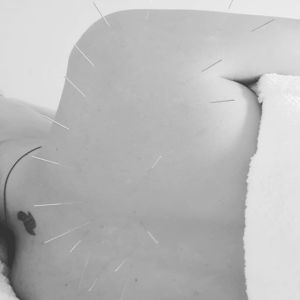
- Technique: Unlike acupuncture, dry needling does not adhere to the meridian system. Instead, our practitioners use thin needles to target myofascial trigger points, or localized areas of muscular tension and dysfunction. The goal is to elicit a local twitch response, release muscle tension, and improve blood flow to the affected area.
- Treatment Goals: Dry needling sessions at Preston Acupuncture Clinic are primarily focused on addressing musculoskeletal pain and dysfunction. By targeting trigger points within muscles, we aim to alleviate pain, improve mobility, and enhance overall musculoskeletal function.
Key Differences:
- Philosophical Basis: Acupuncture follows traditional Chinese medicine principles, emphasising the balance of Qi and energy flow along meridians. Dry needling, on the other hand, is based on Western anatomical and neurophysiological concepts, targeting muscular trigger points.
- Needle Placement: Acupuncture involves the insertion of needles into specific acupuncture points along meridians, while dry needling targets trigger points within muscles.
- Treatment Goals: Acupuncture at Preston Acupuncture Clinic aims to restore balance and promote overall health and wellness. Dry needling primarily addresses musculoskeletal pain and dysfunction, focusing on releasing muscle tension and improving function.
At the Preston Acupuncture & Dry Needling Clinic, we offer both acupuncture and dry needling as part of our comprehensive approach to healing and wellness. Whether you’re seeking holistic pain relief, stress management, or improved musculoskeletal function, our skilled practitioners are here to support you on your journey to optimal health. Contact us today to schedule your appointment and experience the transformative benefits of acupuncture and dry needling at Preston Acupuncture Clinic.
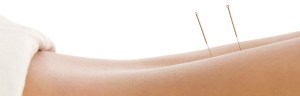
Dry needling is particularly effective for addressing various musculoskeletal injuries and conditions that involve muscle tightness, trigger points, and dysfunction. Some injuries and conditions that may respond well to dry needling include:
- Muscle Strains: Dry needling can help alleviate pain and promote healing in muscles strained due to overuse, repetitive movements, or sudden exertion. It can target trigger points within the affected muscle, releasing tension and promoting relaxation.
- Myofascial Pain Syndrome: Myofascial pain syndrome involves the presence of trigger points, or hyperirritable spots within taut bands of muscle tissue, which can cause localized or referred pain. Dry needling is highly effective in releasing trigger points and relieving associated pain and muscle tension.
- Rotator Cuff Injuries: Injuries to the rotator cuff muscles and tendons, which stabilize the shoulder joint, often result in pain, weakness, and restricted range of motion. Dry needling can help reduce pain and improve function by targeting trigger points and restoring muscle balance around the shoulder joint.
- Neck and Back Pain: Chronic neck and back pain, often associated with muscle tension, postural imbalances, or spinal dysfunction, can be effectively treated with dry needling. By releasing trigger points and restoring normal muscle function, dry needling can alleviate pain and improve mobility in the neck and back.
- Sciatica: Sciatica refers to pain that radiates along the sciatic nerve, typically caused by compression or irritation of the nerve roots in the lumbar spine. Dry needling can help alleviate sciatic pain by targeting trigger points in the muscles surrounding the sciatic nerve pathway, reducing muscle tension and nerve irritation.
- Joint Pain: Joint pain resulting from muscle imbalances or dysfunction, such as knee pain or hip pain, may benefit from dry needling to address underlying muscular issues contributing to joint stress. Dry needling can help relieve muscle tightness and improve joint mechanics, thereby reducing pain and improving function.
- Sports Injuries: Athletes often experience musculoskeletal injuries such as muscle strains, ligament sprains, or tendon injuries due to training or competition. Dry needling can be a valuable adjunct therapy for accelerating recovery, reducing pain, and restoring optimal muscle function in athletes with sports-related injuries.
- Chronic Pain Conditions: Chronic pain conditions such as fibromyalgia or chronic low back pain, characterized by widespread musculoskeletal pain and trigger point activity, may respond positively to dry needling as part of a comprehensive pain management approach. Dry needling can help modulate pain perception and improve physical function in individuals with chronic pain.
It’s important to note that the effectiveness of dry needling may vary depending on the individual’s specific condition, severity of symptoms, and overall health status. A qualified healthcare provider can assess your condition and determine if dry needling is an appropriate treatment option for you.
Location: Four Pillars Chinese Medicine is just next to Regent station, near Body Fit & MT nail beauty bar.
 Acupuncture Massage & Herbal Medicine